Google's AI Won't Wait for an Update to Change What It Knows About Your Business
For years, service businesses could watch for a named Google update, check the date against their ranking chart, and know roughly what caused a shift. That playbook is breaking down. Google ai search updates no longer arrive on a schedule you can plan around, which means the old strategy of "wait for the update, then react" is quietly becoming obsolete.
Google AI Search Updates Are Becoming Invisible
Google has always run far more changes than it ever announces. The handful of named core updates were never the whole story, they were just the ones Google chose to tell us about. What's shifting now is that the AI systems generating answers, summaries, and overviews are moving toward learning continuously in the background, absorbing new information and quietly deciding what to keep and what to discard.
There's no dashboard entry for this. No date to circle. No "update rolled out" notice to check your rankings against. The model's understanding of your business can shift without a single visible event happening anywhere you'd think to look.
The Old Playbook Doesn't Work Anymore
Most SEO teams, including ours, built a habit around named updates. Traffic moves, you check the calendar, you look for a pattern, you adjust. That approach still matters for traditional ranking shifts, and understanding how Google's updates affect ranking recovery is still useful when a named algorithm change rolls through.
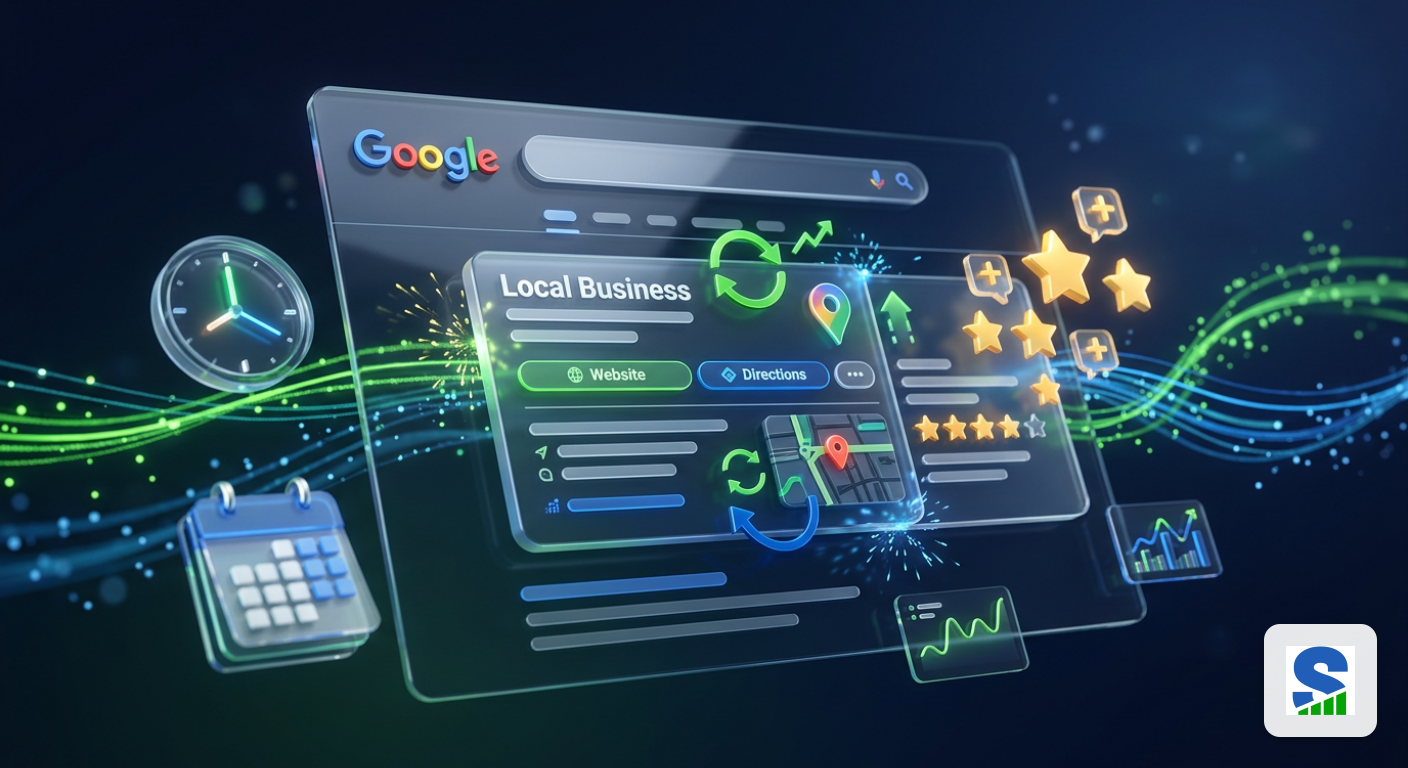
But that diagnostic ritual assumes there's an event to diagnose. When the system is learning continuously and quietly, there's no single day to point to. The fix isn't a better tracker. It's a different habit: treating your online presence as something that needs to be correct every day, not just correct on launch day or after your last SEO push.
What Changes When AI "Remembers" Instead of "Looks Up"
There's a real difference between an AI system looking something up and an AI system simply knowing something. When a model retrieves a fact from a live page, that fact is tied to a source, it can be checked, and it gets replaced the next time the page is crawled. When a model has absorbed a fact into its own memory, it states that fact with confidence, as if it's simply true, with no source attached for anyone to question.
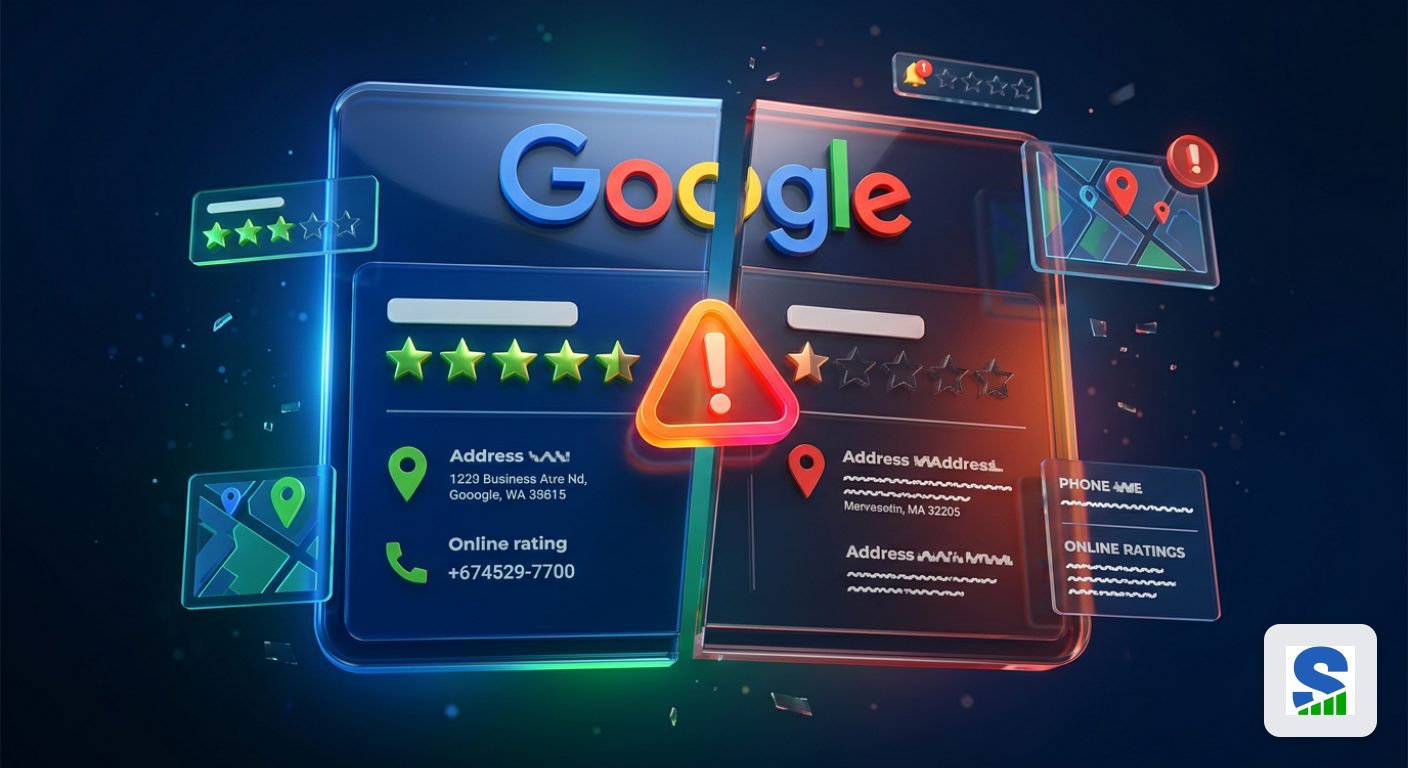
That second kind of fact is much harder to correct. Once something is learned at that level, fixing it isn't as simple as updating a page and waiting for a recrawl. It can mean the incorrect version of your business, your hours, your service area, your specialty, sticks around in ways a simple content edit won't touch.
Why This Matters for Local Service Businesses
For an HVAC company, a roofing contractor, or a dental practice, the stakes are concrete. If an AI system has already "learned" that you don't service a certain zip code, or that you closed a location you still operate, or that a competitor offers something you actually offer, that error can keep surfacing in answers long after you've corrected it on your own website.
The Danger of Conflicting Information About Your Business
AI systems tend to favor the version of a fact that's consistent across sources. If your Google Business Profile, your website, your directory listings, and your reviews all say slightly different things about your hours, your address, or your services, the system has to pick a version to trust. It won't necessarily pick the correct one. It will pick the one that agrees with the most other sources, correct or not.
This is exactly why keeping your Google Business Profile current is no longer a one-time setup task. It's an ongoing discipline. Every outdated listing, every old phone number still floating around on a directory site, every inconsistent service description is a vote for the wrong version of your business.
What Service Businesses in Phoenix and Scottsdale Should Do Now
We work with HVAC, roofing, dental, contracting, landscaping, and home service businesses across the Phoenix and Scottsdale area, and the advice that holds up under this shift is practical, not theoretical.
- Audit what AI systems already believe about you. Ask AI tools direct questions about your business, your services, and your service area, and note anything that's wrong or outdated.
- Keep one clean, accurate version of your core facts everywhere. Your website, your Google Business Profile, and your directory listings should all say the same thing about hours, location, and services.
- Fix errors at the source, immediately. The longer a wrong fact sits out there uncorrected, the more chances a system has to treat it as settled.
- Publish clear, dated information about who you are and what you do. Pages that state your services plainly, without a lot of marketing language around them, are easier for AI systems to pull clean facts from.
- Treat reviews and social proof as part of your fact base. Consistent, current reviews and active social profiles reinforce the correct version of your business rather than an outdated one.
We Can Help You Stay Accurate Everywhere, All the Time
This is the exact problem our Next Gen Search Framework was built to address: keeping your website, your Google Business Profile, your reviews, and your social presence consistently accurate so there's no conflicting version of your business for an AI system to pick up. If you want a clear picture of what's currently out there about your company, we offer a free SEO audit, and our small business SEO services that adapt continuously are built around ongoing accuracy rather than a one-time fix. Reach out and we'll show you exactly where your information needs to be cleaned up.