
Google's Spam Update Is Done Rolling Out: Why Fixing a Problem Now Takes Months, Not Days
If your rankings moved over the last few weeks and you're waiting for them to snap back after fixing a few things on your site, we need to set expectations. Google spam update recovery time doesn't work on a sprint schedule. It works on a calendar measured in months, not days, and understanding why will save you from chasing quick fixes that go nowhere.
Google's most recent spam update took nearly two weeks to roll out fully, which is actually faster than some previous spam updates that stretched close to a month. For service businesses in Phoenix and Scottsdale watching their visibility shift during that window, the rollout length itself is only part of the story. The bigger issue is what happens after the rollout finishes.
What a Spam Update Actually Does
A spam update is Google refining its automated systems to better detect sites that violate its spam policies. These updates aren't about new content quality signals or backlink algorithms in the way core updates are. They're specifically targeting manipulative tactics like cloaking, scaled content abuse, and other practices that try to game search results rather than earn rankings through genuine relevance.
When a spam update rolls out, Google's systems are re-evaluating sites against these policies globally and across all languages at once. That means the shifts you see in your rankings during the rollout window aren't random noise. They're Google's systems recalculating where your site fits relative to its spam guidelines.
Rollout Speed Varies Update to Update
Not every spam update behaves the same way. Some have wrapped up in under a day. Others have taken nearly two weeks. One stretched close to a month. There's no fixed timeline you can count on, which is exactly why businesses need to stop treating these rollouts like a countdown clock they can plan around.
Why a Ranking Drop During Rollout Doesn't Mean What You Think
Here's where a lot of business owners jump to the wrong conclusion. A dip in your rank tracker during a spam update rollout window doesn't automatically mean the update targeted your site. Third-party rank trackers can show sudden swings that don't match what actual searchers are seeing on Google, especially during an active rollout when Google's systems are still settling.
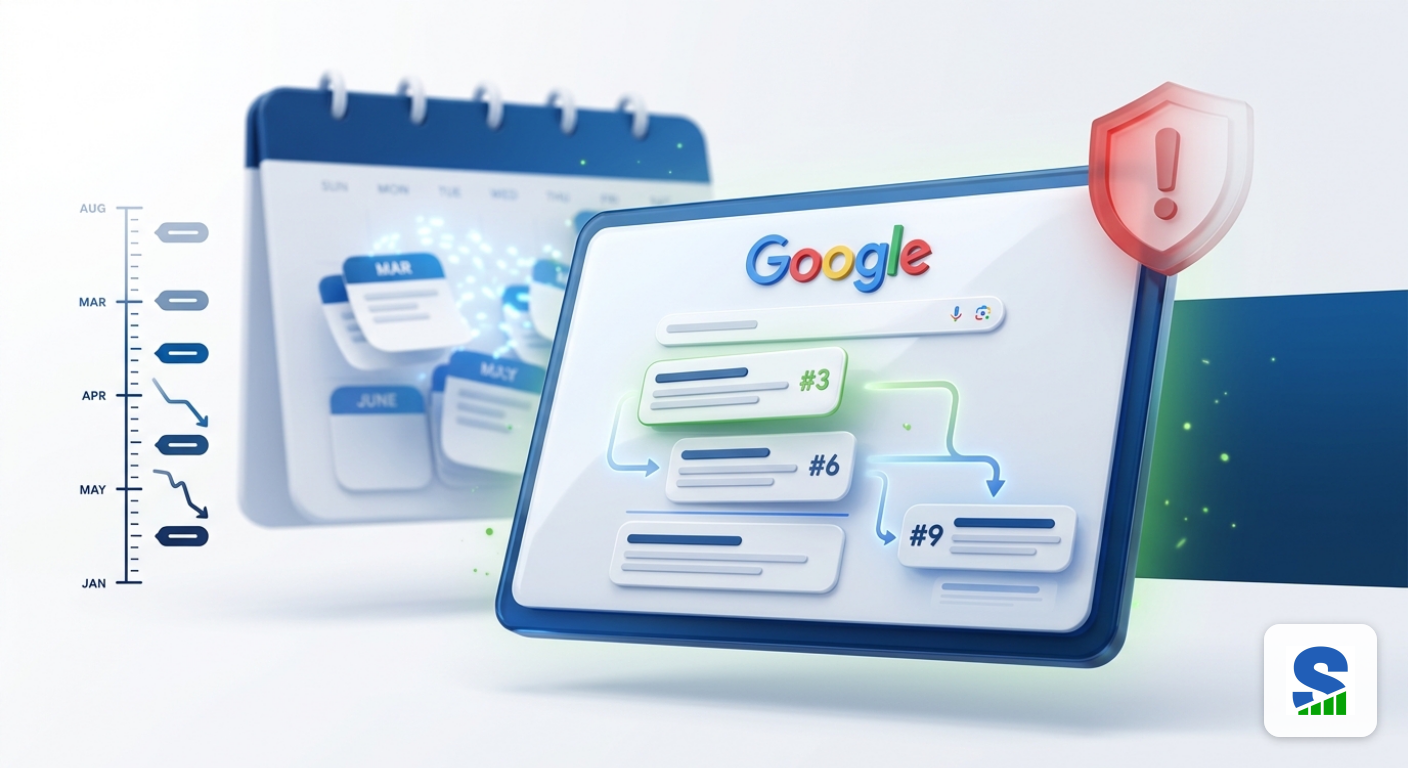
The more reliable signal is your own Search Console data. If a decline shows up consistently across several days and is reflected in your impressions and clicks, that carries real weight. If it's a one or two day blip that only shows on a third-party tool, it's worth waiting to see if it holds before reacting. We've written more about what to expect during ranking drops if you want a step by step way to separate signal from noise the next time your rankings move.
Why Google Spam Update Recovery Time Stretches Over Months
This is the part most business owners don't want to hear, but it's the truth. If your site was affected by a spam update, reviewing Google's spam policies and making changes is the right first step. But those changes don't produce an immediate rebound. Google's documentation is direct about this: improving your standing after a spam-related impact depends on its automated systems recognizing compliance over a period of months, not after a single crawl or a quick content edit.
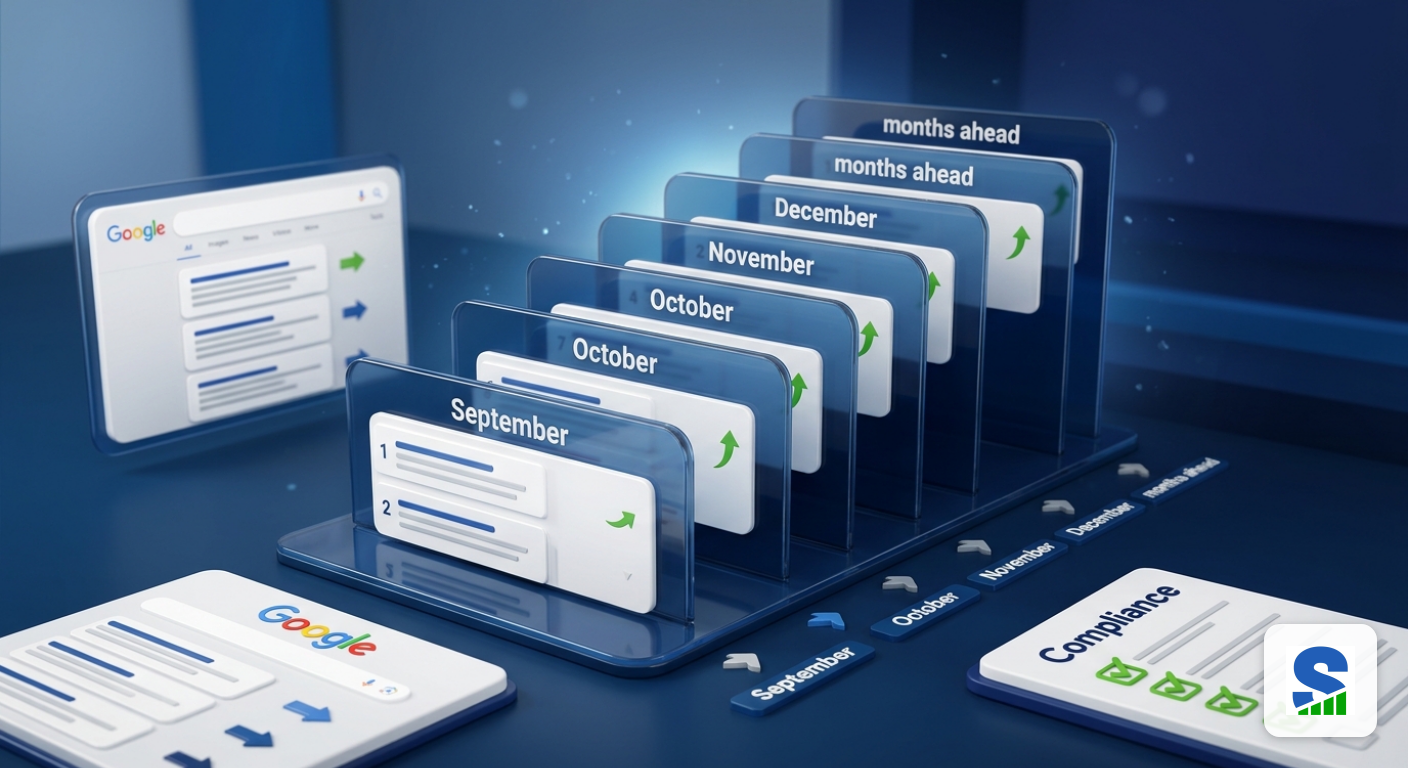
Think about it from Google's side. If a site made aggressive changes to fix a spam issue and ranked back on top within days, that would create an obvious incentive for sites to game the system right back. Google's systems are built to watch for sustained, consistent compliance before they trust that a site has genuinely cleaned up its practices rather than just patched the surface.