
window tinting SEO · Nationwide
Window Tinting SEO Services
More cars in your bays and more homes and offices on the install schedule. We help window tinting companies rank for the ceramic tint, legal limit and home window film searches people run, and we show the clean, bubble-free work that makes a shop worth the drive.
If you found this page by searching, your customers are doing the same thing. Helping them find you is what we do.
- Dozens of 5-star Google reviews
- 20 years ranking businesses
- 200+ active clients
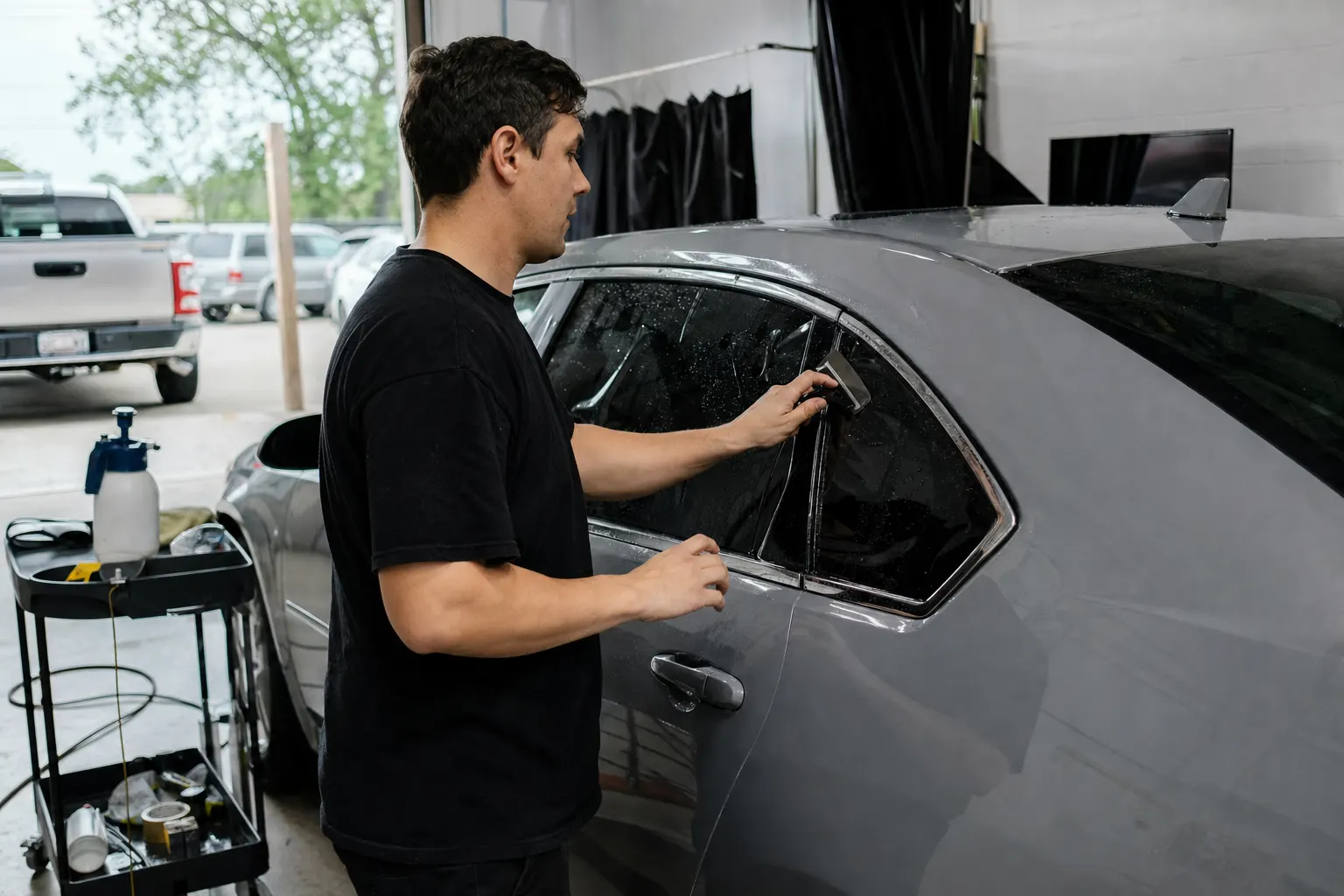
How buyers search
How customers choose a window tint shop
Automotive tint is often bought within days of a car purchase. A new owner sits in summer traffic, feels the sun through the side glass, and starts searching for tint near me, ceramic tint price and the legal tint limit in their state. They compare shops on price, film brand, warranty and photos of cars like theirs, and many book the same week. The decision is fast, local and visual, and it often goes to whichever shop looks most professional in the map pack.
Underneath the quick search sits real anxiety. Everyone has seen a car with purple, bubbling tint, and buyers want to know whether the film will fade, whether the shop uses computer-cut patterns or trims by hand on the glass, and whether a dark tint will get them pulled over. Questions about windshield strips, full windshield heat film and tint on leased cars follow. Shops that answer those questions on their pages, and state the legal limits for their state clearly, win the click over shops that post only prices.
Home and commercial film are separate markets with slower, larger decisions. Homeowners search for heat reduction, glare on the television, faded floors and furniture, and daytime privacy, and they want to know whether film affects their window warranty. Businesses look for solar control on office glass, decorative and frosted privacy film for conference rooms, storefront film and safety or security film. Those buyers request site visits and quotes, and they rarely search with the same words a car owner uses.
Trust in this trade is earned with close-up proof. Buyers zoom in on photos to check edges, the dot matrix band and gaps at the top of the glass. They look for reviews that mention the film, the warranty and a clean finish with no dust trapped underneath. Clear explanations of film lines, from dyed to carbon to ceramic, and honest guidance about legal limits signal a shop that will not cut corners. That is what earns the booking.
What we do
SEO for window tinting companies, everywhere buyers look
Google Maps
The local map pack
Window tint near me is about as local as search gets, and most auto tint decisions happen right in the map pack. We set categories for automotive window tinting and, where you offer them, residential and commercial film, then list each service and film line on the profile. Photos matter enormously: finished cars from several angles, close-ups of clean edges, and installs on homes and storefronts, with fresh shots going up every week. We tune booking links and hours so a buyer who is ready can grab an appointment right away. Review requests go out after pickup and prompt customers to mention the film, the vehicle and how the tint looks, which helps you rank for ceramic tint and vehicle-specific searches. Posts about new film lines or seasonal openings keep the listing current between reviews.
Organic search
The blue links below the map
Organic pages answer the questions that decide where a car or building gets tinted. We build pages for each film line you install, such as ceramic, carbon and dyed films, plus windshield and sunroof tint, and a clear page on the legal tint limits in your state that is updated when the law changes. Separate sections cover residential window film for heat, glare, fading and privacy, and commercial film for office glare, decorative privacy, storefronts and security. If you also offer paint protection film or ceramic coating, those get their own pages. Location pages go where your customers actually drive from. Authority comes from links built through car dealers, detailers, car clubs, builders and local publications, which helps an independent shop outrank national chains, dealership add-on programs and the directory listings that crowd these results.
AI search
AI Overviews, ChatGPT, Gemini
Drivers now ask AI assistants which tint is legal in their state, whether ceramic tint is worth the extra cost, and which shop nearby does good work. Homeowners ask whether window film helps with heat and fading. The assistants answer using review sites, automotive and home publications, local roundups, manufacturer dealer locators and clear pages that state facts plainly. We get your shop into those sources, make sure your listing with each film manufacturer is complete, and write pages that answer those questions accurately enough for an assistant to quote. When someone asks for a trustworthy tint shop, the goal is to have your name in the answer. We also check which assistants mention you over time, and whether they describe your film lines, warranty terms and legal limit guidance correctly. Residential film questions get the same care.
Your first 90 days
What happens after you say go
- 1
Month one: audit the bays and the listings
We review your site, your Google Business Profile and the shops outranking you, splitting automotive, residential and commercial terms. We fix technical issues, set categories and hours, and confirm you appear correctly in the dealer locator of each film manufacturer you carry. Every film line, vehicle service and building service gets mapped to the page that should rank for it. You see which searches are sending cars to competitors and whether home and commercial film offer an opening that other shops in your area ignore. Booking links and response times get checked too.
- 2
Month two: film pages and the legal limit page
We publish or rebuild the pages with the most value, usually ceramic tint, your state legal limits page and residential film. Photos from every job go onto the profile and into galleries, with close-ups that show clean edges. Review requests move onto a rhythm tied to vehicle pickup and install completion, with prompts to mention the film and the vehicle or building. Citations get cleaned up, and the first authority links go live, aimed at the film and home pages rather than the homepage. The legal limits page also gets set up for easy updates.
- 3
Month three: commercial reach and AI visibility
Authority building widens through dealers, detailers, car clubs, builders and property managers. Commercial film pages go live for offices, storefronts and security film if you want that work. We place your shop in the directories and roundups AI assistants rely on. Your monthly report shows rankings, map views, calls and booked appointments by page, split between auto and building work. By the end of the quarter you know which services are filling the schedule and where to push next. Dealership and detailer referral pages go live for partners who send you cars.
Timing
When tint searches heat up
Tint demand rises with the sun. The first hot weeks of the year bring a rush of car owners and homeowners, and the shops that rank before that rush fill their schedules while others wait for walk-ins.
The first hot weeks
When cabins start baking in parking lots, searches for ceramic tint and car window tinting climb sharply. Shops already in the map pack book out days ahead, while others discount to compete.
New car buying seasons
Tax refund season and year-end sales put many new cars on the road. New owners search for tint within days, so pages about new car tint and dealer partnerships pay off.
Summer heat in the house
Rooms that overheat in the afternoon and furniture that fades send homeowners searching for residential film. These are larger jobs than a car, and pages about heat and glare catch them early.
Office moves and renovations
Businesses add glare control, decorative privacy film or security film when they move or remodel. Those projects follow lease and construction schedules rather than weather, giving shops steady work all year.
The math
What one new customer is worth to you
A tint customer often comes back with their next car, and some bring their house. Here is example math for an auto tint shop, in round numbers. Replace each line with your own prices to see what one new customer from search is worth.
At those numbers, one driver who trusts your shop with every car in the household, and later the house, is worth far more than a single appointment. That is why we track bookings by service, and why residential film pages earn a place early.
Example math · use your own numbers
- Ceramic tint on the first car
- $500
- Tint on the next vehicle
- $450
- Residential film for the home
- $2,000
- One referral from a coworker
- $500+
- Example lifetime value
- $3,450
Search terms
Searches we target for window tinting companies
We choose tint terms by the work each one brings into the shop. Auto tint terms keep the bays full, film-specific terms like ceramic tint attract buyers willing to pay more, and home and commercial film terms bring the larger jobs. Each term maps to one page, so your auto and home pages never compete.
- window tint near me
- ceramic window tint
- car window tinting cost
- legal tint limit
- windshield tint
- tint shop near me
- residential window tinting
- home window film
- commercial window film
- office window tinting
- decorative window film
- security window film
Window tinting SEO questions we hear most
Should we publish the legal tint limits for our state?
Yes. Legal limit questions are among the most common tint searches, and a clear, current page answers them better than most shops do. Explain the limits for each window, how tint percentages work, whether medical exemptions exist in your state and what you will and will not install. Keep it updated when the law changes. That page earns links, trust and AI citations, and it signals that your shop will not put a customer at risk of a ticket.
How do we compete with shops that advertise very low prices?
Explain what the price buys. Cheap dyed films fade and bubble, and many buyers have seen it happen. Pages that compare film lines, explain heat rejection in plain words, show your warranty and display close-up photos of clean edges give people a reason to pay more. Reviews that mention a film holding up years later are especially persuasive. The goal is a buyer who compares value, not just the lowest number in the map pack.
Is residential window film worth targeting?
For many shops, yes. Homeowners searching for heat reduction, glare control, fading protection or daytime privacy are planning larger jobs than a single car, and fewer competitors write good pages for them. A residential section that addresses warranty concerns, how film looks from inside and out, and which rooms benefit most can open a steady stream of higher-value work. It also smooths out the slower months for automotive tint in cooler seasons.
Do we need separate pages for each film line?
If you sell more than one, it helps. Buyers search for ceramic tint, carbon tint and specific manufacturer film lines by name, and a page for each lets you rank for those searches while explaining what sets each one apart. Keep the comparison honest, with plain notes on heat rejection, clarity, signal interference and warranty. A buyer who understands the difference is more likely to choose the better film and less likely to haggle.
Should commercial film live on the same site as auto tint?
It can share a site, but it needs its own section. Office managers, property managers and business owners search for solar control, decorative privacy film, storefront film and security film, and they want site visits, quotes and evidence of commercial jobs. A page full of car photos will lose them. Dedicated commercial pages, with photos of buildings and details about scheduling around business hours, give that work a clear path to your door.
How important are photos for a tint shop?
They are often the deciding factor. Buyers judge a shop by the cars on its profile and want close-ups of edges, the top of the glass and the back window. Fresh photos also keep your profile active in the eyes of Google. We set up a quick routine for capturing every finished vehicle and building install at consistent angles, and we use those photos on your profile, film pages and location pages.
How do AI assistants decide which tint shop to name?
They draw on review platforms, film manufacturer dealer locators, automotive and home publications, local roundups and pages that state facts plainly. A shop that appears consistently in those sources, with detailed reviews and clear pages on film lines, legal limits and warranties, is far more likely to be recommended. We build that footprint on purpose and track which assistants mention you for auto, home and commercial tint questions in your area over time.
How soon will more bookings come in?
Map visibility often improves within the first month or two, because profile fixes, photos and new reviews show up quickly. Competitive terms like ceramic window tint in a large metro usually take several months to rise. Your market, site history and the other tint shops nearby all affect the timeline. Starting in late winter gives the work time to settle before the first hot weeks, and your report shows calls and bookings by page each month.
Related industries we rank
window tinting SEO
See where you stand before your competitors do
Get a free audit of your site and map listing, with a clear plan for turning more window tinting searches into booked work.
Get Your Free SEO AuditFree audit, no contracts.