
landscaping SEO · Nationwide
Landscaping SEO Services
Bigger design and install projects in the spring, and maintenance contracts that keep crews busy all year. We get landscaping companies into the map pack, into the organic results homeowners browse for ideas, and into the AI answers people now consult before they ask anyone for a quote.
If you found this page by searching, your customers are doing the same thing. Helping them find you is what we do.
- Dozens of 5-star Google reviews
- 20 years ranking businesses
- 200+ active clients
How buyers search
How property owners choose a landscaping company
Landscaping is really two businesses sharing a trailer. Design and installation is a large, considered purchase: a new patio, a retaining wall, a planting plan for the bare yard behind a new build. Maintenance is a recurring service decided mostly on reliability, communication and price. The two attract different people at different moments, and a website that blends them into one services list tends to convert neither of them well.
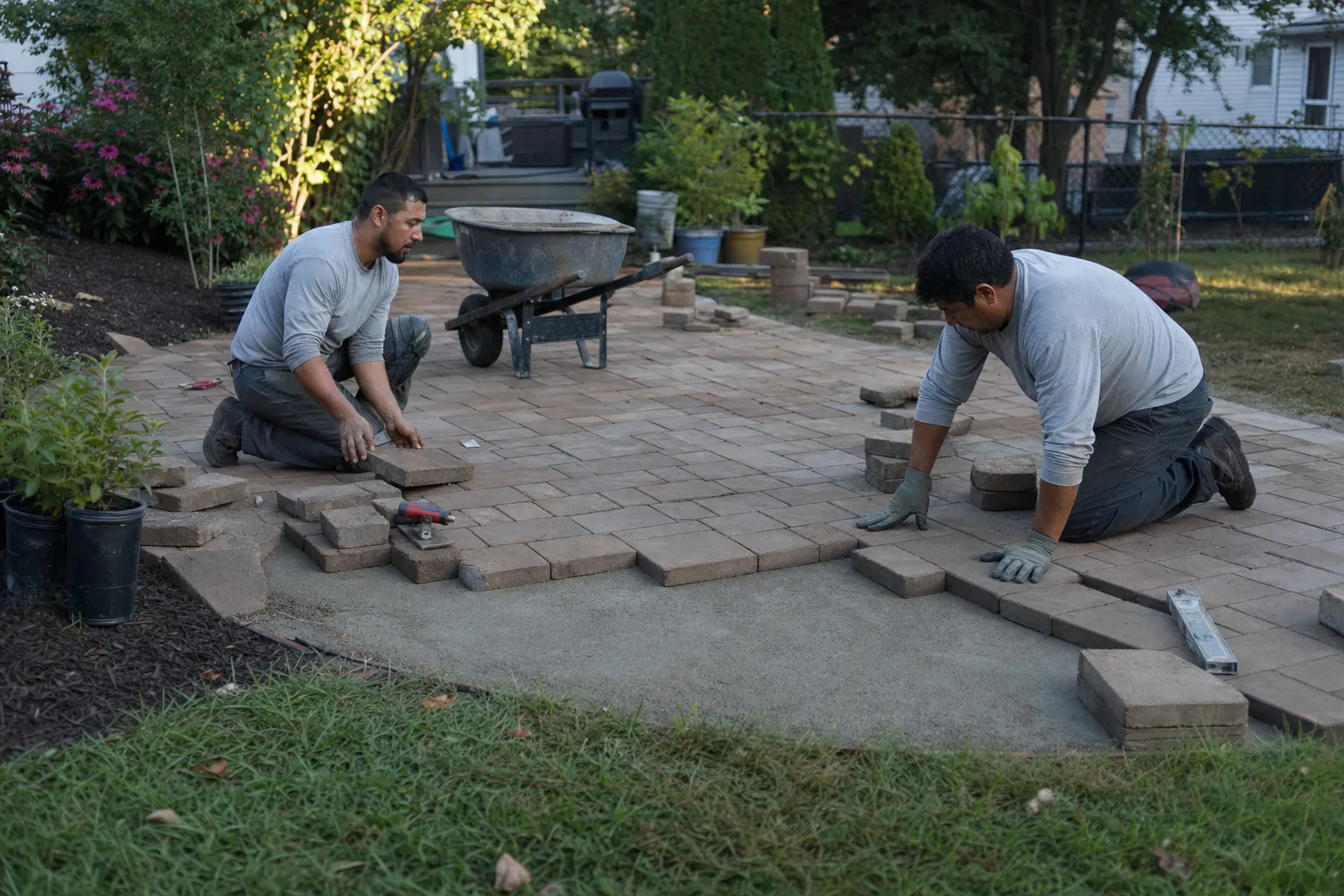
Install buyers start with pictures, not phone numbers. They save photos of outdoor kitchens and paver patios for months, search for ideas and rough costs, and only then look for someone local who has built something similar. Many of them begin planning in the dead of winter for work they want finished by early summer. The company whose project galleries, process pages and honest cost guidance they find during that browsing phase is usually the one invited to quote, long before a competitor knows the job exists.
Maintenance and commercial work behave differently again. Homeowners looking for weekly or biweekly care want to know you show up on the same day, communicate when weather shifts the schedule, and leave the property clean. HOA boards, property managers and commercial owners search for grounds maintenance contracts and screen on insurance, crew size and the ability to handle several sites at once. Regional styles add a further layer: water-wise and native planting in dry climates, drainage and grading in wet ones, each with its own searches and its own vocabulary.
Trust is earned with proof of finished work. A landscape that still looks wonderful in its third summer says more than any claim, so the companies that win online show real projects with location, scope and before-and-after photos, name the designer or crew lead, explain how the design fee works and make reviews easy to find. A property owner about to spend serious money on their yard wants evidence that you have done this exact kind of job and that it held up years later.
What we do
SEO for landscaping companies, everywhere buyers look
Google Maps
The local map pack
The map pack is where most maintenance leads and many smaller install inquiries begin. We set your categories to cover landscaping, landscape design, hardscaping and lawn services where you offer them, define a service area that matches where your crews actually run, and list each service with a plain description. Fresh project photos go up through the season, from a newly laid paver patio to a spring cleanup, because Google and homeowners both read an active profile as a working company. We build a review rhythm tied to project handoffs and to the end of each maintenance season, asking customers to mention what you built or maintained and the neighborhood it was in. Those specifics help you appear for searches like patio installers or landscape maintenance near a particular subdivision, not just the generic term everyone fights over.
Organic search
The blue links below the map
Organic search carries the expensive work: hardscapes, outdoor living spaces, full landscape designs, drainage fixes, retaining walls and commercial grounds contracts. We build a page for each of those, written around the questions owners actually ask, like how the design process runs, how long an install takes, what drives cost and what upkeep it needs afterward. Project pages turn your best jobs into searchable case studies with photos, materials and the problem each one solved. Idea and planning content catches people during the long browsing phase, so your company is familiar before they are ready to call. Location pages go only where you have real projects to show. Authority comes from links earned through suppliers, nurseries, local home and garden coverage and trade associations, which is what lets an independent design-build firm outrank directories and lead marketplaces.
AI search
AI Overviews, ChatGPT, Gemini
People now ask AI assistants how much a backyard makeover costs, whether pavers or poured concrete hold up better, and which landscaping companies nearby do quality design work. Those answers draw on review platforms, home improvement publications, local best-of lists and clear pages that state what a company builds and where. We work to get your company into the sources those assistants lean on, and we write your service and project pages so the facts are easy to quote: what you specialize in, the areas you cover, your design process and the kinds of properties you maintain. The aim is for your name to come up when a homeowner asks for a recommended landscaper, along with the reasons someone should call you. We check those answers over time and report where you appear.
Your first 90 days
What happens after you say go
- 1
Month one: audit and a two-track plan
We audit your site, your Google Business Profile and the companies outranking you, then split the plan into the two tracks your business already runs: design-build projects and recurring maintenance. Technical problems get fixed, categories and service area get corrected, and every service from paver patios to seasonal cleanups is assigned to the page that should rank for it. We also gather your best project photos and job details, since the portfolio is the raw material for nearly everything that follows. You finish the month knowing which kinds of jobs search can bring you more of first.
- 2
Month two: project pages and reviews
We publish the highest-value service pages, usually hardscaping, outdoor living and full design, and turn several finished jobs into project pages with photos and scope. If you run maintenance routes, that page gets rebuilt to answer what recurring customers ask about scheduling and visits. Review requests move onto a rhythm tied to project handoffs and the close of each maintenance season. Citations get cleaned up across home improvement directories and local listings so your details agree everywhere. The first links from suppliers and partners point at the project and design pages, where they do the most good.
- 3
Month three: off-season planning content and authority
We publish the planning and cost content that install buyers read during the off season, so it has time to rank before spring bookings fill. Authority work scales up through local publications, garden and home coverage and industry directories, the same sources AI assistants use when recommending landscapers. Your monthly report breaks out calls and form leads by page, so you can see design inquiries separately from maintenance requests. By the end of the quarter you know how many qualified project leads search is producing and where the next gains are likely to come from.
Timing
When landscaping searches start, and why winter matters
Most owners think of landscaping season as spring, but the biggest projects are researched months earlier. Rankings also take months to settle, so the visibility that books your spring calendar has to be built while the ground is still cold.
Late winter planning
Homeowners browse ideas, costs and contractors for patios and outdoor living spaces they want finished by summer. Companies with strong project pages are the ones invited to quote, and their calendars fill first.
Spring cleanup and the first mow
Maintenance and cleanup searches arrive in a rush once the yard turns green. Homeowners pick quickly, so the companies already visible in the map pack sign route customers for the whole season.
Moving into a new home
Buyers of new construction often face a bare dirt lot or a builder-grade yard. They search for full landscape installs within months of closing, in any season, and they tend to spend well.
Late summer contract season
HOA boards and property managers review grounds contracts ahead of the next budget year. A clear commercial page with your insurance, crew capacity and references puts you on their bid list.
The math
What one new customer is worth to you
A landscaping customer is often worth far more than the first job, because install clients turn into maintenance clients and send their neighbors. Here is example math. Replace these numbers with your own to see what one new customer from search is worth to you.
At numbers like these, one well-matched design client can carry a year of SEO on their own. That is why we report project inquiries and maintenance sign-ups separately, and why we chase the searches that lead to installs instead of chasing traffic.
Example math · use your own numbers
- First project: patio and planting
- $18,000
- Maintenance contract, 3 years
- $7,500
- Seasonal enhancements and lighting
- $2,500
- One neighbor referral project
- $12,000
- Example lifetime value
- $40,000
Search terms
Searches we target for landscaping companies
We pick terms by the work they lead to. Maintenance terms keep routes full, while hardscape, design and outdoor living terms bring the projects that make the year. Each term is assigned to a single page, so your service pages and project pages never compete with each other.
- landscaping company near me
- landscape design services
- paver patio installation
- retaining wall contractor
- outdoor kitchen builders
- landscape maintenance service
- commercial landscaping services
- yard cleanup service
- landscape lighting installation
- xeriscape landscaping
- backyard landscaping cost
- yard drainage solutions
Landscaping SEO questions we hear most
We do both design and weekly maintenance. How should the site handle that?
As two tracks with their own pages, their own calls to action and their own review requests. Someone wanting a backyard rebuilt and someone wanting a tidy yard every week are different buyers with different worries, and mixing them weakens both messages. The design track leads with projects, process and the design fee. The maintenance track leads with reliability, scheduling and what each visit includes. Plenty of maintenance clients eventually ask for a project, so the two tracks link to each other where it is natural.
Is HOA and commercial grounds work worth targeting?
It is often the steadiest revenue in landscaping, and it is searched in different language from residential work. Board members and property managers look for grounds maintenance contracts, ask about insurance, crew size and response times, and compare bids on reliability more than design flair. That calls for its own page making that case, listing the property types you handle and how you report on visits. One commercial contract can anchor a crew's week for years, which smooths out the swings of residential install work.
Do project photos really help us rank?
They help rankings indirectly and conversions directly. Google reads activity, captions and the pages around your photos, and a gallery with location and scope gives it far more to work with than a stock image. Homeowners judge your work almost entirely by what they can see, so a project page showing a finished patio, the materials used and the problem it solved does more selling than a paragraph of claims. We help you capture and caption jobs consistently so the portfolio grows without becoming a chore for your crews.
Should we publish prices for landscape projects?
Ranges and cost drivers work better than a price list. Every yard is different, but buyers still want to know whether a patio is a modest project or a major investment. Explaining what moves the price, such as access, materials, grading and lighting, sets fair expectations and screens out people whose budget does not match your work. It also matches the cost questions people type into Google and AI assistants, which gives those pages a real chance to rank and to be quoted.
We do xeriscaping and native planting. Is that worth its own page?
Yes, in markets where water restrictions, rebates or drought are part of daily life. Homeowners there search for water-wise landscaping, turf removal, drought-tolerant plants and rebate programs, and many general landscapers barely mention any of it. A dedicated page explaining how you design low-water yards that still look good, and how any local rebate process works, can rank against much bigger competitors. The same logic applies to rain gardens or native planting in wetter regions, where the search language differs but the opening is similar.
Lead marketplaces already send us leads. Why do SEO?
Shared leads are usually sold to several companies at once, so you end up racing competitors on price for a job someone may not be ready to start. A customer who finds your own project pages has already seen your work and chosen to call you, which usually means a better conversation and a better margin. Many companies keep marketplaces for filler work and use SEO to build a steady flow of inquiries they do not share with anyone. Over time, that owned flow tends to cost less per signed project.
How do AI assistants pick which landscaper to recommend?
They draw on what the wider web says about you: reviews, home and garden publications, local roundups, directories and the plain facts on your own pages. A company that shows up consistently across those sources, with detailed reviews and clear pages describing its specialties and service area, is much more likely to be named. We build that presence deliberately and check over time which assistants mention you and for which questions, such as patio builders or landscape maintenance near a given town.
How soon will our phone ring more?
Map visibility often moves within the first month or two once your profile, categories and reviews are fixed. Competitive organic terms for hardscaping and design usually take several months, depending on your market, your site's history and who you are up against. Start in fall or early winter if you can, so the planning pages are ranking when homeowners begin browsing for spring projects. Your monthly report shows rankings, calls and form leads, so progress is visible long before peak season arrives.
landscaping SEO
See where you stand before your competitors do
Get a free audit of your site and map listing, with a clear plan for turning more landscaping searches into booked work.
Get Your Free SEO AuditFree audit, no contracts.