
general contracting SEO · Nationwide
SEO for General Contractors
Better projects from owners who already trust you before they call. We help general contractors show up for additions, ADUs, commercial build-outs and rebuilds, look credible when referrals search their name, and earn the mentions AI assistants use when someone asks who can run a complicated job.
If you found this page by searching, your customers are doing the same thing. Helping them find you is what we do.
- Dozens of 5-star Google reviews
- 20 years ranking businesses
- 200+ active clients
How buyers search
How owners pick a general contractor for a complicated job
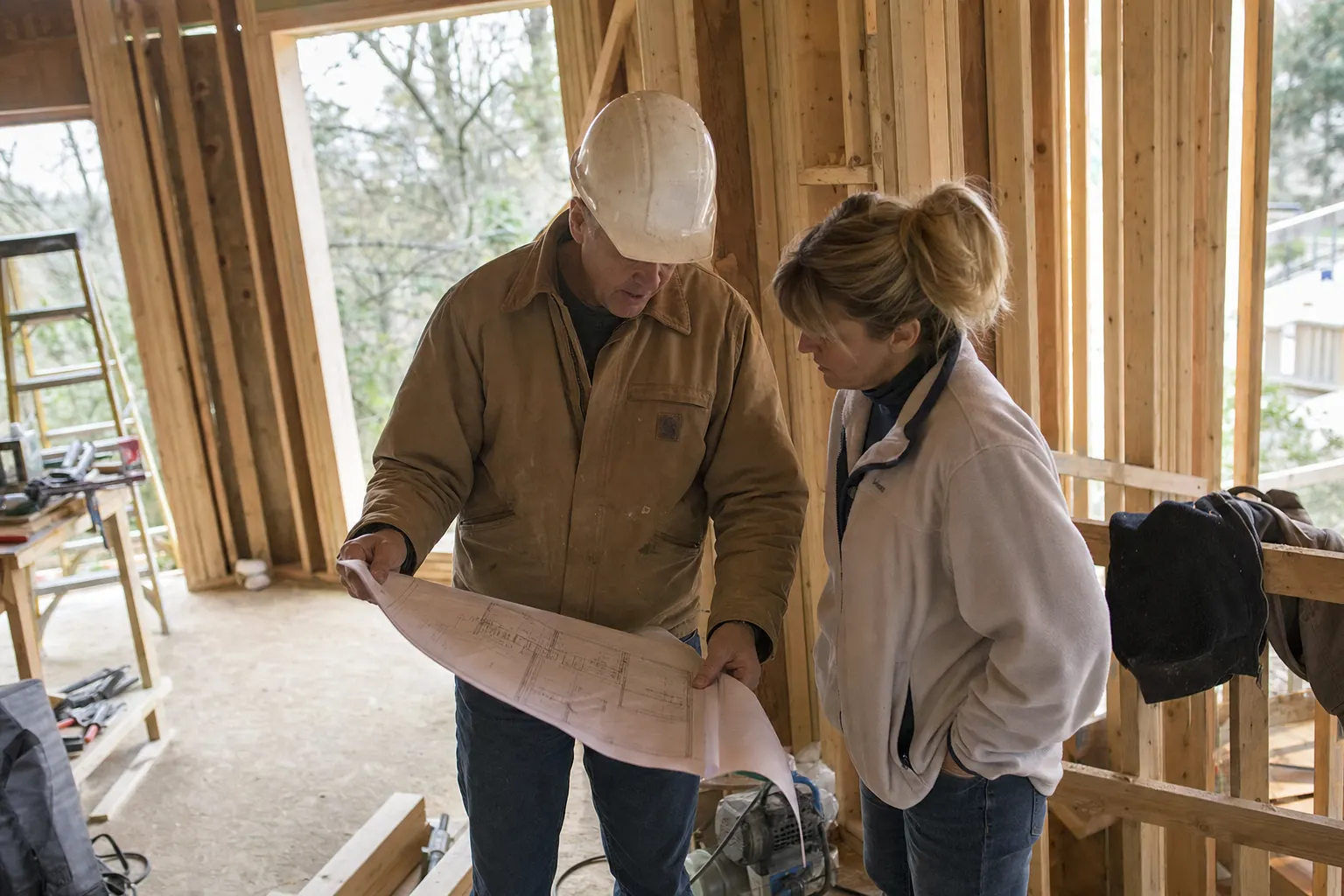
People hire a general contractor when a project is too big or too tangled to manage themselves: an addition, a detached ADU, a second story, a commercial space that needs walls, power and plumbing before a tenant can open. The money is large, the timeline is long, and almost everyone has heard about a contractor who disappeared halfway through. So the search starts with fear, and the first questions are about license status, insurance, bonding and whether this company finishes what it starts.
A large share of general contracting work begins as a referral that still passes through Google. A friend, an architect or a real estate agent passes along a name, and the owner searches it before calling. What appears for that name decides whether the referral turns into a meeting: a current profile, recent reviews, photos of finished projects and a site that explains how you run a job. A thin or outdated presence quietly loses work that was already yours.
Owners without a referral search by project type, and they search very specifically. A homeowner looks for room addition contractors and garage conversion costs. A restaurant owner searches for a tenant improvement contractor and asks about permit timelines. A family recovering from a house fire searches for reconstruction help once the insurance claim is moving. Each of those people wants to see that you have done their kind of project before, so one generic services page leaves most of them unconvinced.
Commercial and residential work also run on different clocks. Commercial owners, property managers and developers compare contractors on schedule control, safety records, bid process and the ability to work around an operating business, often with a lender or landlord watching. Homeowners care about communication, site cleanliness and how change orders are handled. The general contractors who rank well and convert treat these as separate audiences, give each its own pages and show the proof each one needs, from permit history to project photos with a real scope attached.
What we do
SEO for general contractors, everywhere buyers look
Google Maps
The local map pack
General contractors often treat their Google Business Profile as an afterthought, which is a mistake, because it is what appears when a referral searches your company name and when owners look for contractors nearby. We pick categories that match the work you want, general contractor, construction company, commercial contractor or design build, and list each project type as a service. We keep your office address, hours and service area consistent, add license information where the profile allows, and post project updates as jobs move from framing to finish. Reviews matter even with fewer, larger customers, so we build a request routine at project closeout that asks clients to describe the scope, the schedule and how communication went. Photos from active sites and finished spaces round it out, so the profile reads like an established firm rather than a placeholder.
Organic search
The blue links below the map
Organic search carries the project-specific research that happens before a contractor is shortlisted. We build pages for each kind of job you want more of, room additions, ADUs and garage conversions, second stories, commercial tenant improvements and insurance reconstruction, with the details owners use to judge you: how permits are handled, typical phases, what drives cost, who supervises the site and how change orders work. Project pages show completed work with the scope, the challenges and the result, which persuades far better than a gallery of unlabeled photos. For commercial work we add pages aimed at owners, property managers and architects, covering bid process, scheduling and occupied-building work. Authority comes from real relationships with suppliers, local builder and trade associations, architects you work with and community organizations, which earn links that lift every page on the site.
AI search
AI Overviews, ChatGPT, Gemini
Owners increasingly ask AI assistants how to choose a general contractor, what an addition costs per square foot in their area or which firms handle tenant improvements nearby. Those tools draw on review sites, contractor directories, association member lists, local business coverage and clear pages that state facts. We get your company listed accurately in those sources, keep license, insurance and service area details consistent everywhere, and write your project pages so an assistant can summarize them correctly. We also build out the process content assistants tend to quote, such as how a design build arrangement works or what happens during each phase of an addition. When someone asks who can manage a complicated project near them, the goal is for your firm to be named, with enough context to make them call.
Your first 90 days
What happens after you say go
- 1
Month one: name search and project audit
We start where your referrals start: what shows up when someone searches your company name. We audit that result, your profile, your site and the competitors winning the project types you want. Technical problems get fixed, categories and service areas get corrected, and every project type is matched to the page that should rank for it. We also gather the proof that is usually scattered across phones and folders, license numbers, insurance certificates, finished project photos and scopes, so the next two months have real material to publish instead of placeholder copy.
- 2
Month two: project pages and closeout reviews
We publish or rebuild the pages for your highest-value project types, starting with the work that has the best margin and the fewest serious bidders. Completed projects become case pages with scope, timeline and photos from each phase. A closeout review routine begins, so every finished job produces a detailed review instead of a vague thank you. Citations get cleaned up across contractor directories and association listings, and the first links from suppliers and partners start pointing at your project pages rather than the homepage alone, where they do the most good for the work you want.
- 3
Month three: authority, AI presence and reporting
Authority work scales up through trade associations, local business publications and partners such as architects and designers. We place your firm in the directories and roundups AI assistants rely on and check how those tools describe you. Your monthly report shows ranking movement, map visibility, calls and form inquiries grouped by project type, so a rise in addition inquiries is not buried inside a general lead count. By the end of the quarter you know which project types search is feeding and which to build next as your calendar fills.
Timing
When people start looking for a general contractor
General contracting is driven less by season than by life events and business decisions. The search starts the moment a project becomes real, and it often runs for months before a contract is signed, so steady visibility matters more than any single push.
A growing family or an aging parent
Additions, ADUs and garage conversions usually start with a household change. Owners research cost, permits and timelines for months, and the contractor that answered those questions early is often the one invited to bid.
A new lease or a business expansion
When a business signs for a new space, the build-out clock starts immediately. Tenant improvement searches are urgent, practical and tied to an opening date, which favors contractors with clear commercial pages and fast response.
Rebuilding after a fire or flood
After a major loss and an insurance claim, owners need someone to rebuild the structure and coordinate every trade. They search while stressed, and they choose contractors who explain the reconstruction process calmly and clearly.
Late winter bid season
Many owners plan spring and summer construction over the winter. Architects send drawings out, homeowners collect bids, and contractors who are visible in those months fill their calendars before the building season begins.
The math
What one new customer is worth to you
General contracting customers are few and large, so each one carries real weight. Treat the figures below as example math only, and swap in your own project sizes to see what one customer from search is worth to your firm.
At those numbers, a single well-run addition that leads to a second project and one referral outweighs years of SEO costs. That is why we track inquiries by project type and size instead of counting every form fill the same way.
Example math · use your own numbers
- Room addition
- $120,000
- Follow-on deck or bathroom project
- $30,000
- One referral from that client
- $120,000
- Example lifetime value
- $270,000
Search terms
Searches we target for general contractors
We choose general contracting terms by project type and by buyer. Homeowner terms around additions and ADUs bring large residential jobs, while tenant improvement and commercial terms reach owners on a deadline. Each term maps to one page, so your addition, commercial and reconstruction pages each rank for their own searches without overlapping.
- general contractor near me
- licensed general contractor
- room addition contractor
- second story addition
- ADU builder
- garage conversion contractor
- tenant improvement contractor
- commercial general contractor
- design build contractor
- fire damage reconstruction contractor
- construction management company
General contracting SEO questions we hear most
Most of our work comes from referrals. What would SEO add?
Protection first, then growth. Referrals almost always search your name before they call, and if they find a stale profile, a handful of old reviews or a site that does not show similar projects, some of them quietly move on. Strengthening that result keeps work you already earned. After that, ranking for project types like additions or tenant improvements brings in owners who have no referral at all, which smooths out the gaps when your referral pipeline slows down.
Should we chase commercial projects or residential ones?
Choose deliberately, because they are different audiences with different search habits, and a site that tries to serve both on the same pages usually ranks for neither. We look at your margins, crew capacity and the competition in your area, then recommend which side to build out first. Many contractors start with the side that pays better and add the other once the first is producing. Both can live on one site with separate sections and separate proof.
How much should we show about licensing, bonding and insurance?
More than most contractors do. It is the first thing a careful owner checks, and burying it in the footer makes people wonder why. We put license numbers, insurance coverage and bonding where they support the decision, on project pages and near contact forms, and keep them consistent with your profile and directory listings. Clear credentials also help AI assistants describe your company accurately, since those tools look for exactly those facts when someone asks who is reputable.
Do project case pages really make a difference for a contractor?
They are often the strongest pages on a contractor site. An owner planning a second story wants to see that you have built one, how long it took and what problems came up. A case page with the scope, a few photos from each phase and the outcome answers that better than any claim. Those pages also rank for specific searches, especially when they name the project type and the area, and they give reviews and links something concrete to point at.
Architects and designers send us work. Can SEO help with them too?
Yes, in a different way. Architects and designers judge contractors on reliability, communication and how faithfully drawings are built, and they often look at your site before recommending you to a client. Pages that show collaborative projects, explain your preconstruction process and name the kinds of plans you build reassure them. Relationships with those firms can also produce credible links and mentions, which help your rankings while reinforcing a partnership that already sends you work.
We are tired of losing to lowball bids. Will search change that?
It can change who reaches you. Owners who find you through detailed project pages and reviews describing how you managed a job tend to be looking for competence, not the cheapest number. Explaining your process, how you handle allowances and change orders, and what your bids include filters out some price shoppers before they call. It will not end competitive bidding, but it usually raises the share of inquiries that value a well-run project over a low figure.
Should we publish cost ranges for additions and build-outs?
Honest ranges with the factors that move them usually help. Cost is one of the first things owners search, and contractors who refuse to discuss it send those people to sites that will. A range per square foot or per project type, with notes on foundations, structural changes, finishes and permitting, pre-qualifies inquiries so your estimator spends less time on budgets that were never realistic. We write those pages with you, so the numbers match how you actually price.
How long until general contractor SEO produces signed jobs?
Inquiries can improve within a few months, especially from your name search and map listing, but signed projects take longer because the sales cycle itself is long. An owner who finds you in spring may sign in the fall. We report leading signals monthly, rankings, calls and form inquiries by project type, so you can see the pipeline building before contracts land. The timeline depends on your market and competition, and steady work beats short bursts in this trade.
Related industries we rank
general contracting SEO
See where you stand before your competitors do
Get a free audit of your site and map listing, with a clear plan for turning more general contracting searches into booked work.
Get Your Free SEO AuditFree audit, no contracts.