
carpentry SEO · Nationwide
Carpentry SEO Services
Fewer tire kickers and more commissions you actually want to build. We help carpentry shops rank for built-ins, trim, staircases and custom millwork, turn the portfolio into pages search engines can read, and reach the designers and builders who send repeat finish work.
If you found this page by searching, your customers are doing the same thing. Helping them find you is what we do.
- Dozens of 5-star Google reviews
- 20 years ranking businesses
- 200+ active clients
How buyers search
How clients find a carpenter they trust with their home
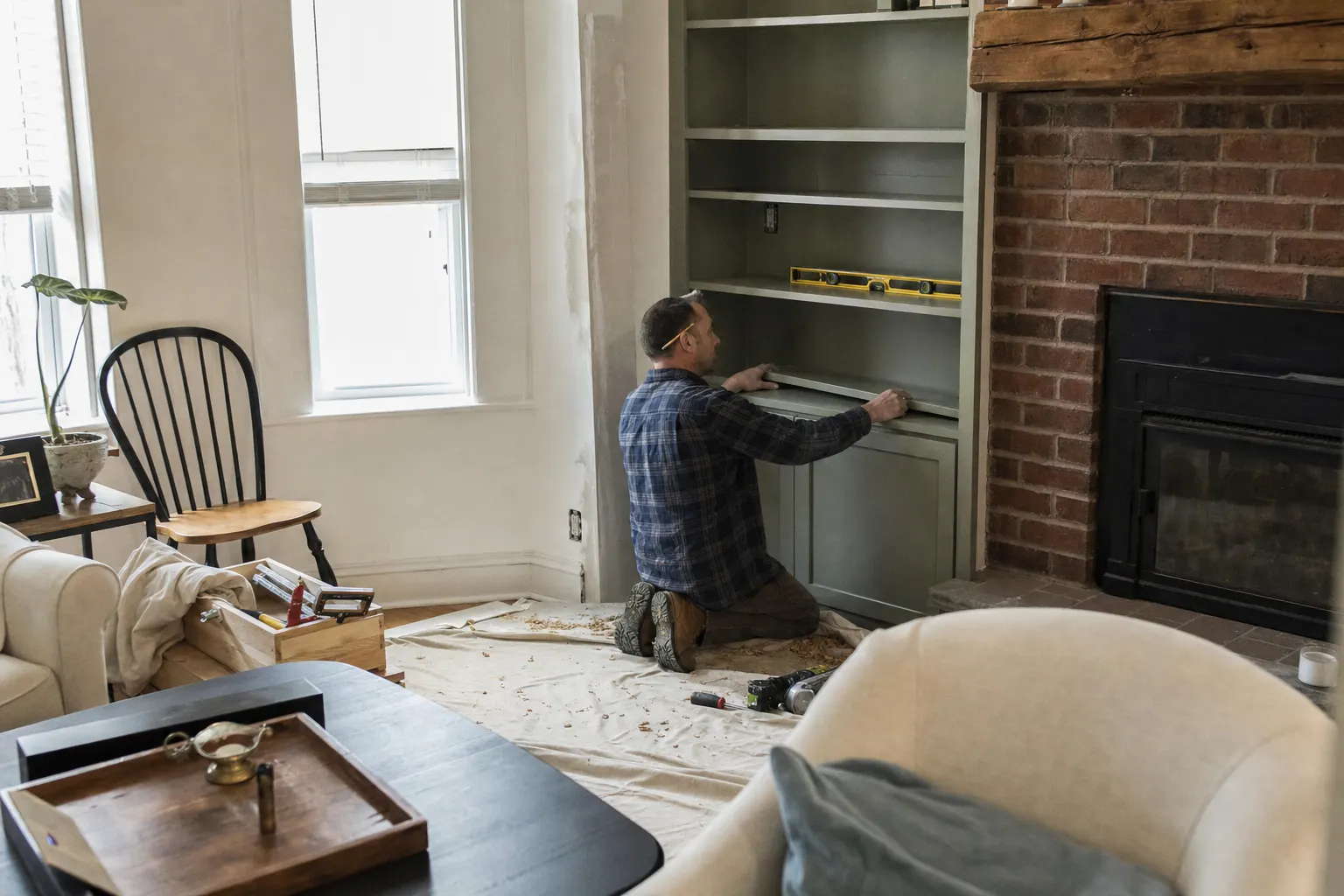
Carpentry is bought by eye. Someone wants built-in bookshelves around a fireplace, a mudroom bench, a coffered ceiling or a staircase that becomes the centerpiece of the house, and they spend weeks looking at work before contacting anyone. The searches are specific and fairly few, but each one can lead to a commission worth far more than a typical service call. That changes the math: a carpentry shop does not need huge traffic, it needs the right handful of people to land on the right pages.
Homeowners searching for carpentry tend to be detail-oriented and a little anxious. They want to know whether you build in your shop or on site, what wood and finish options exist, whether you can match the existing trim in an older house and how long the piece will take. Many have been burned by someone who promised custom work and delivered boxes from a store. Clear photos of joinery, finished installs and work in progress persuade them faster than any adjectives could.
A second audience matters just as much: builders, remodelers, interior designers and architects who need a reliable finish carpenter. They search for trim carpenters, millwork shops and custom cabinet makers when their usual sub is booked or has let them down, and they judge you on precision, schedule reliability and whether you can read drawings. One good relationship with a designer or builder can fill months of your calendar, so pages written for trade partners often pay off more than consumer pages.
Then there is the small-job problem. Many searches for a carpenter are really handyman requests: a sticking door, a cracked stair tread, a few feet of baseboard. Some shops welcome that work as a door opener; others want to filter it out entirely. Search can do either, as long as your pages say plainly what you take on and what a typical project looks like. The shops that do best online are honest about their minimums, show their best work in detail and make it easy for the right clients to start a conversation.
What we do
SEO for carpentry shops, everywhere buyers look
Google Maps
The local map pack
Carpentry profiles often sit in the wrong category or blend in with general handyman listings, which buries them for the searches that matter. We set the primary category to match your real work, such as carpenter, cabinet maker or woodworker, and add services for built-ins, trim and molding, staircases, mantels and custom closets. If you have a shop clients can visit, it is shown with hours and appointment details; if you work only on site, the service area is defined honestly. We build a review routine that asks clients to describe the piece, the wood and how the install went, so reviews read like small project stories. Photos from the shop floor and finished rooms go on the profile regularly with captions, giving people who browse Google Maps the same visual proof they would look for on your site.
Organic search
The blue links below the map
Organic search is where carpentry commissions start, because people looking for custom work search for specific pieces. We build pages for each specialty you want, built-in bookcases and entertainment centers, window seats, mudroom lockers, crown molding and wainscoting, coffered ceilings, staircases and railings, and custom closets, with the information buyers look for: materials, finish options, how design and measuring work and typical lead times. Your portfolio becomes individual project pages with photos and a short description, instead of one gallery that search engines read as a single page. A trade section speaks directly to builders, remodelers and designers about capacity, drawings and scheduling. Authority comes from lumber yards, hardware suppliers, design partners, woodworking guilds and local home tours, which bring relevant links and referrals at the same time, often from people who have seen your work in person.
AI search
AI Overviews, ChatGPT, Gemini
Homeowners are starting to ask AI assistants who builds custom built-ins nearby, whether shop-built or site-built cabinetry is better and what a staircase remodel might cost. Designers ask similar questions when they need a millwork shop. The answers come from review platforms, home and design publications, guild and association directories and pages that describe work plainly. We get your shop into those sources, keep your specialties and service area consistent everywhere and write your specialty pages so an assistant can describe accurately what you build and how you build it. When someone asks who does fine finish carpentry in their area, the aim is for your shop to be named with the kind of detail that brings a qualified inquiry rather than a request to fix a door hinge or hang a shelf.
Your first 90 days
What happens after you say go
- 1
Month one: specialty and portfolio audit
We review your site, your profile and the competitors showing up for the carpentry work you want most, along with the handyman listings crowding the same searches. We fix technical issues, correct categories and decide which specialties deserve their own page. Then we sort your portfolio, which often lives on a phone or a social account, into projects worth publishing with photos and a short story each. You finish the month with a clear plan for which commissions to chase, which small jobs to filter and which trade partners to approach.
- 2
Month two: specialty pages and project stories
We publish specialty pages for your best work, starting with the commissions that carry the highest value or keep the shop busy between big jobs. Individual project pages go live with labeled photos, wood species, finishes and the problem each piece solved. A review routine begins after each install, encouraging clients to describe what you built. Citations get cleaned up, and the first links from suppliers, design partners and local organizations start pointing at your specialty pages instead of only the homepage, where they help the work you most want.
- 3
Month three: trade partners and AI visibility
We build out the trade-facing section for builders, remodelers and designers and pursue links and mentions through associations, guilds and design publications. We also work on the directories and features AI assistants cite for carpentry questions in your area. Your monthly report shows rankings, map views, calls and inquiries by specialty, with trade inquiries tracked separately from homeowners. By the end of the quarter you know which specialties are attracting the right commissions and whether your minimums are filtering inquiries the way you want. You also see which trade partners are finding you and what to publish next.
Timing
When carpentry projects get planned
Carpentry is not tied to weather the way roofing is, but demand still has a rhythm. Projects follow holidays, home purchases and the building calendar of the contractors you work with, and commissions are planned well before the wood is cut.
Before the holidays
Built-ins, mantels and dining room trim often come with a hosting deadline attached. Inquiries pick up in late summer and early fall, so carpentry pages need to rank before families start counting the weeks.
After moving into a new house
New owners want closets organized, a mudroom built or trim restored within the first year. They search for specific pieces and choose shops whose photos look like the house they just bought.
Peak building and remodeling season
When builders and remodelers are busiest, their regular finish carpenters book up. Trade partners search for backup shops in spring and summer, which is exactly when your trade pages earn their keep.
Winter shop season
Colder months suit shop-built pieces and interior work. Homeowners planning spring projects research custom furniture, cabinetry and staircases, giving well-built specialty pages time to bring in the next round of commissions.
The math
What one new customer is worth to you
Carpentry clients come back as long as they own the house, and trade partners come back every project. These are example figures only. Swap in your own numbers to see what one client found through search can be worth over time.
At those numbers, one well-placed commission that leads to a repeat client, a referral and a designer relationship pays for years of SEO. That is why we track inquiries by specialty and by trade partner, not by raw visits.
Example math · use your own numbers
- Built-in bookcases and window seat
- $9,500
- Mudroom lockers the next year
- $6,000
- Referral from a guest who saw the work
- $9,500
- Designer sending three projects a year
- $30,000
- Example lifetime value
- $55,000
Search terms
Searches we target for carpentry shops
We choose carpentry terms by the commission they lead to, not by volume. Specific piece terms like built-ins and staircases bring serious homeowners, while millwork and trim terms reach builders and designers. Each term maps to a single page, and we leave out terms that only bring small repair jobs you would rather skip.
- finish carpenter near me
- custom built ins
- built in bookshelves
- custom closet carpenter
- trim carpentry services
- crown molding installation
- wainscoting installation
- custom staircase builder
- custom fireplace mantel
- coffered ceiling installation
- custom millwork shop
Carpentry SEO questions we hear most
There is barely any search volume for what we build. Is SEO worth it?
Often more than for high-volume trades. A few searches a month for custom built-ins or a staircase can be worth far more than hundreds of searches for a quick fix, because each commission is large and the competition is thin. We target the specific pieces you want to build, measure success by qualified inquiries and signed commissions, and ignore traffic numbers that never turn into shop time. A small, well-matched audience is exactly what a carpentry shop needs.
How much do photos of our work really matter?
They decide the sale and, set up properly, they help you rank. Carpentry buyers want to see joinery, grain, finish quality and how a piece sits in a real room. Photos need descriptive file names, captions and their own project pages before search engines can use them. Most carpenters have excellent work sitting in a phone or a social feed where search cannot see it, and moving that work onto labeled pages is one of the first things we do.
How do we stop getting calls for small handyman jobs?
Be specific about what you build. Pages that describe your typical projects, show their scale and mention a project minimum or starting range quietly discourage requests for a single loose hinge. We also avoid targeting generic repair terms unless you want that work. Some shops keep a short list of small services as a way to meet new clients; others skip them entirely. Your keyword plan and page copy should match whichever approach suits your calendar and your crew.
Should we market to builders and designers, or just homeowners?
Usually both, with separate pages. Builders, remodelers and designers search for finish carpenters and millwork shops when they need capacity, and one good relationship can mean steady work all year. They want to see precision, the ability to work from drawings, insurance and dependable scheduling. Homeowners want inspiration and reassurance. Mixing the two on one page weakens both, while a dedicated trade section gives partners a direct reason to call you before anyone else.
Do we need a separate page for every carpentry specialty?
For the ones you want more of, yes. Someone searching for a custom staircase builder and someone looking for built-in bookshelves are different buyers using different words, and a single carpentry page cannot rank well for both. Each specialty page gets its own photos, materials, process and examples. We start with your most profitable or most enjoyable work and add others as each earns its place, rather than building thin pages for everything at once.
We match trim in historic homes. Is that worth highlighting?
Very much. Owners of older houses search specifically for carpenters who can reproduce moldings, repair original woodwork and blend new work with old, and few shops say clearly that they do it. A page that shows matched profiles, restored staircases or rebuilt window casings, with notes on wood species and how you match them, reaches a buyer who cares about craft and is often less price sensitive. It can also earn links from preservation groups and local history organizations.
Do decks and outdoor carpentry belong on the same site?
They can, but give them their own section. Deck and pergola buyers search differently from people commissioning interior millwork, and they compare on materials, durability and permits rather than finish detail. If outdoor work is a meaningful part of your business, separate pages let it rank on its own. If you only build decks occasionally, a brief mention keeps your interior specialties focused and avoids attracting outdoor inquiries you will end up turning away.
How long before carpentry SEO brings in commissions?
Profile improvements and portfolio pages can start producing inquiries within a few months, partly because competition for specific pieces is often light. Broader terms and trade partner visibility usually take longer. Commission timelines stretch further, since clients may inquire in spring for a piece they want installed in fall. We report rankings, calls and inquiries by specialty every month, so you can see the pipeline building even while the shop is already busy.
Related industries we rank
carpentry SEO
See where you stand before your competitors do
Get a free audit of your site and map listing, with a clear plan for turning more carpentry searches into booked work.
Get Your Free SEO AuditFree audit, no contracts.